
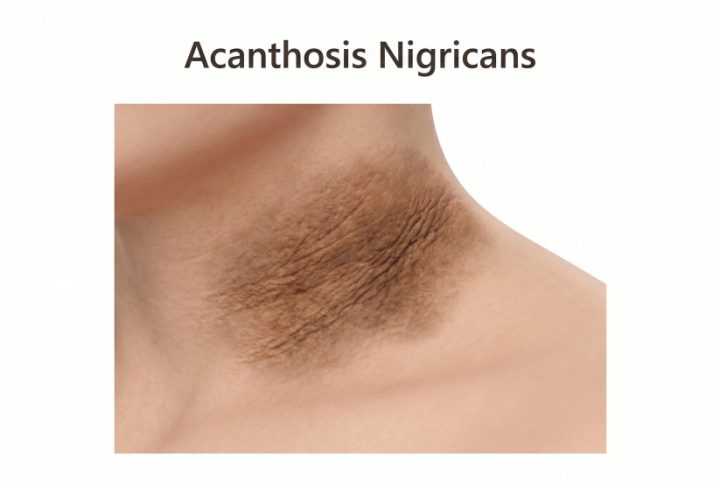
Have you noticed dark skin patches on your neck or underarms? This change, known as Acanthosis Nigricans, often appears as skin discoloration on the neck and underarms. While these dark areas may seem harmless, they can sometimes signal changes in your health. In many cases, Acanthosis Nigricans is linked to other health conditions. Understanding what causes dark neck and underarms can help you take better care of your skin and overall health.
What Is Acanthosis Nigricans?
Acanthosis Nigricans is a skin condition that causes dark, thick, and velvety patches. Usually, these patches appear in body folds, such as the neck, underarms, or groin. Although the skin may look different, it is not contagious or dangerous by itself. However, it can be a sign of other health issues. For example, it may point to problems with blood sugar or hormone levels. According to the CDC, Acanthosis Nigricans often affects people with certain medical conditions, including diabetes or obesity.
Common Symptoms of Dark Neck and Underarms
Many people first notice dark skin patches on their neck or underarms. These changes can happen slowly. In addition, the skin may feel thicker or softer than usual. Sometimes, the area may itch or have a bad smell. Here are some common signs:
While these symptoms are not painful, they can be bothersome. If you see new or spreading patches, it is important to talk to a healthcare provider.
Causes and Risk Factors
Although Acanthosis Nigricans can affect anyone, some people are at higher risk. For instance, certain health conditions make dark neck and underarms more likely. Here are some common causes of dark neck and underarms:
Because these causes vary, it is important to find out what is behind your skin changes. In many cases, treating the underlying problem can help the skin improve.
How Acanthosis Nigricans Is Diagnosed
Usually, a doctor can diagnose Acanthosis Nigricans by looking at your skin. However, they may ask questions about your health and family history. Sometimes, blood tests are needed to check for diabetes or hormone problems. For example, your doctor may test your blood sugar or thyroid levels. In rare cases, a skin sample may be taken to rule out other conditions. Early diagnosis helps find the cause and guide treatment.
Treatment Options
Treating Acanthosis Nigricans starts with managing the underlying cause. For example, if high insulin is the problem, controlling blood sugar can help. Here are some treatment options for dark neck and underarms:
While the skin may not return to normal right away, these steps can improve its look and feel over time.
Lifestyle Tips for Managing Acanthosis Nigricans
Making small changes in your daily routine can help manage dark skin patches. For instance, keeping the skin clean and dry is important. Here are some helpful tips:
Because these steps support overall skin health, they may also help prevent new patches from forming.
Prevention Strategies
Although not all cases can be prevented, some steps lower your risk of Acanthosis Nigricans. For example, maintaining a healthy weight reduces the chance of insulin resistance. Here are some prevention strategies:
With these habits, you can support your health and reduce the risk of dark skin patches on your neck and underarms.