
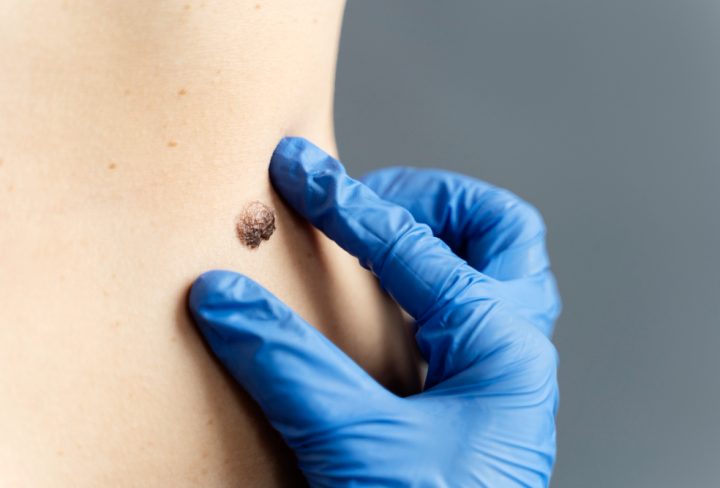
What Are Warts?
Warts are small, rough bumps that can appear on your skin. They are caused by a virus called human papillomavirus, or HPV. Because warts are common, many people will have at least one in their lifetime. While most warts are harmless, they can be bothersome or embarrassing. For this reason, many people look for the best way to treat warts.
How Warts Spread
Warts spread easily from person to person. In fact, you can even spread them to other parts of your own body. The virus enters the skin through tiny cuts or scratches. After that, it can take weeks or months for a wart to appear. Because warts are contagious, it is important to know how to prevent warts from spreading.
Common Symptoms of Warts
Warts can look different depending on where they grow. However, most warts share some common signs. For example, they often feel rough to the touch. Some warts have tiny black dots, which are small blood vessels. While most warts do not hurt, some can be painful if they are on your feet or fingers.
Causes and Risk Factors
The main cause of warts is infection with HPV. However, not everyone who comes in contact with the virus will get warts. Some people are more likely to develop them. For instance, children and teens get warts more often than adults. People with weak immune systems are also at higher risk. Additionally, cuts, scrapes, or wet skin make it easier for the virus to enter.
Diagnosis of Warts
Doctors usually diagnose warts by looking at them. Sometimes, a doctor may scrape the surface to check for tiny black dots. In rare cases, a small piece of the wart may be removed for testing. This helps rule out other skin problems. Because warts can look like other bumps, it is best to see a healthcare provider if you are unsure.
Effective Treatment Options for Warts
Many people want to know the best way to treat warts. There are several wart removal treatments that work well. Some treatments you can try at home, while others need a doctor’s help. Although some warts go away on their own, treatment can help them clear faster and prevent spreading.
Because not all treatments work for everyone, you may need to try more than one method. The CDC and dermatology experts recommend seeing a doctor if warts are painful, spreading, or not improving with home care.
Preventing the Spread of Warts
Preventing warts is easier than treating them. However, if you already have a wart, you can still take steps to stop it from spreading. For example, always keep warts covered with a bandage. In addition, avoid picking or scratching them. Wash your hands after touching a wart. Because the virus can live on surfaces, do not share towels, socks, or shoes. If you use public showers or pools, wear flip-flops to protect your feet.
Lifestyle Tips for Managing Warts
Living with warts can be stressful, but simple habits can help. For instance, keep your skin healthy and dry. Moist skin is more likely to get infected. Trim your nails carefully and avoid biting them. If you have warts on your hands, use gloves when cleaning or gardening. Because stress can weaken your immune system, try to get enough sleep and eat a balanced diet. Finally, follow your doctor’s advice for wart removal treatments and check your skin often for new warts.