
What is Chemical Peeling?
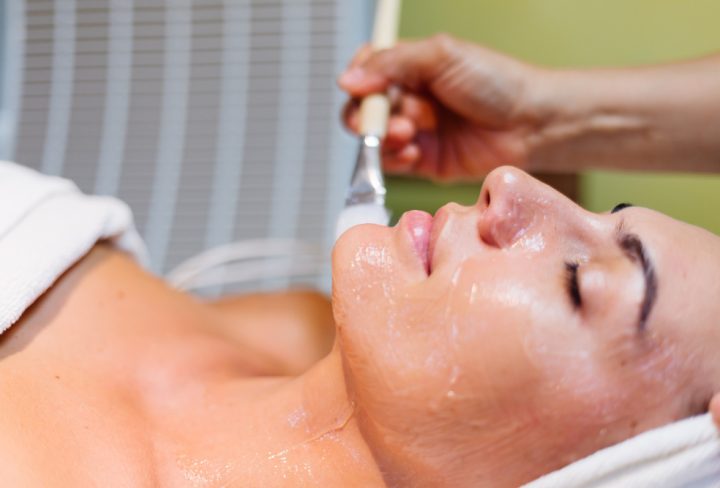
Many people ask, “What is chemical peeling?” Chemical peeling is a skin treatment used in dermatology. It involves applying a special solution to the skin. This solution removes the top layers gently. As a result, new, smoother skin grows back. Doctors use chemical peeling to treat many skin problems. For example, it helps with scars, wrinkles, and uneven skin color. Overall, the main goal is to improve skin appearance and health.
How Does Chemical Peeling Work?
During a chemical peeling procedure, a dermatologist cleans your skin first. Then, they apply a chemical solution. This solution causes the outer skin to peel off over time. After peeling, fresh skin appears. Usually, the new skin looks brighter and feels softer. There are three main types of chemical peels:
Each type offers different results. Your dermatologist will suggest the best option for your needs.
Benefits of Chemical Peeling
Chemical peeling offers many benefits. For instance, it can:
Because of these benefits, many people choose chemical peels as part of their skincare routine.
Who is a Good Candidate?
Not everyone is suited for chemical peeling. Generally, good candidates include people who:
However, some people should avoid chemical peels. For example, those with active skin infections, open wounds, or certain skin conditions may not be good candidates. Pregnant women and people with a history of keloids should also avoid this treatment. Always talk to a dermatologist before deciding.
Safety and Side Effects
Chemical peeling is usually safe when done by a trained dermatologist. Still, there are some possible side effects. For instance, you may notice:
To stay safe, follow your doctor’s advice closely. Do not try chemical peels at home without guidance. According to the American Academy of Dermatology, professional supervision lowers the risk of problems.
What to Expect During and After the Procedure
Before the procedure, your dermatologist will clean your skin. Next, they apply the chemical solution. You may feel mild stinging or warmth. The process usually takes less than an hour. Afterward, your skin may look red or feel tight. Over the next few days, the old skin will peel away. New skin will appear soon after. Most people recover quickly from superficial peels. However, deeper peels need more time to heal.
Prevention and Aftercare Tips
Proper aftercare is important for the best results. Here are some helpful tips:
With good care, your skin will heal faster and look better.
Frequently Asked Questions
Is chemical peeling painful?
Most people feel only mild discomfort. You may notice a tingling or warm feeling during the procedure. Deep peels may cause more discomfort, but your doctor can help manage it.
How long do results last?
Results depend on the type of peel and your skin type. Superficial peels may need to be repeated for lasting results. Deeper peels can offer longer-lasting changes.
Can I do chemical peeling at home?
It is safer to have chemical peels done by a dermatologist. Home kits may cause burns or other problems if not used correctly.
Conclusion
In summary, chemical peeling is a safe and effective way to improve your skin. It can help with many skin concerns, such as scars, wrinkles, and uneven tone. However, it is important to talk to a dermatologist before starting any treatment. Consult a dermatologist for personalized guidance on chemical peeling.